Obscura
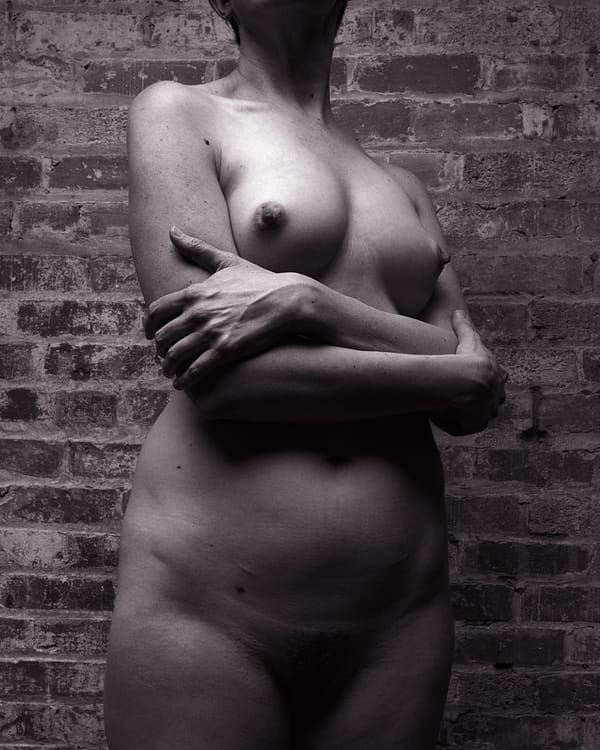
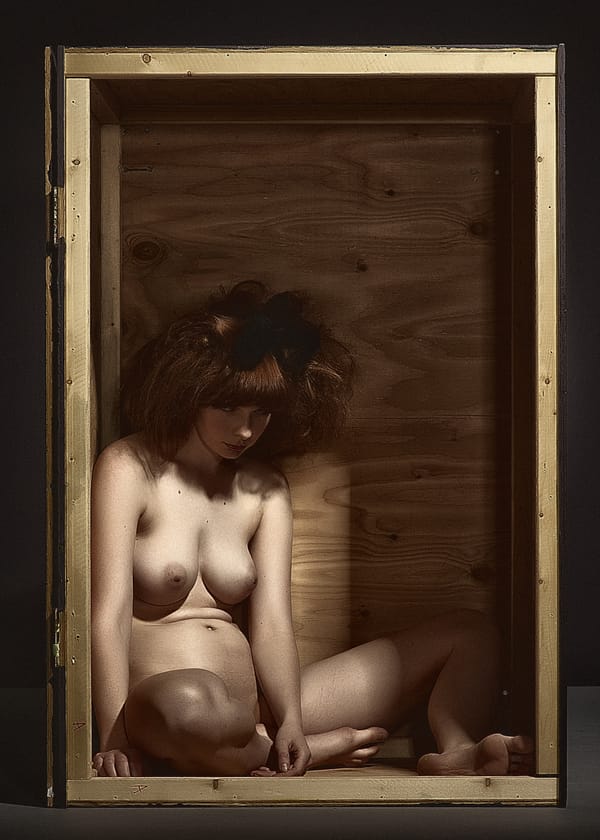
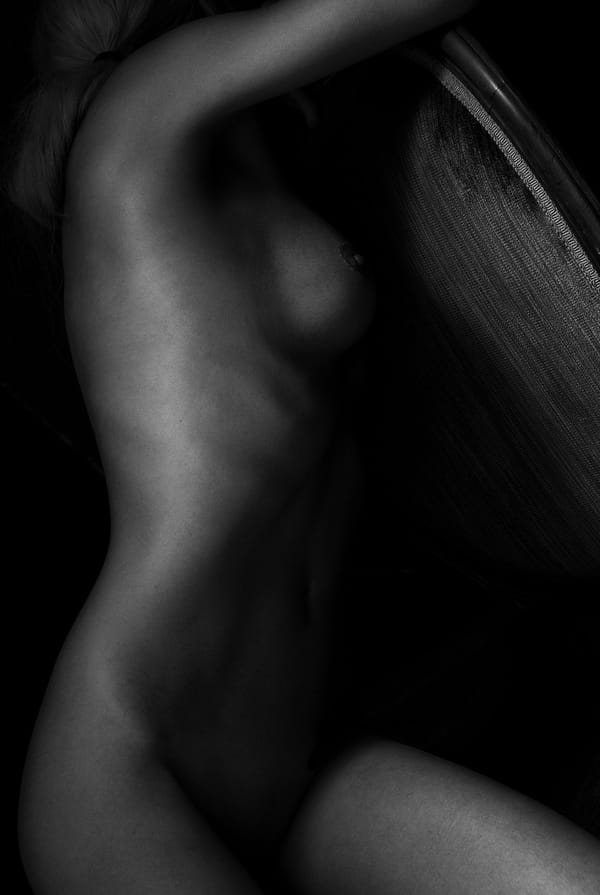
So years ago I had this theory, and I'm still debating how much of this is true. The theory was that much of what we love about analog photography has to do with optics and the fact that an image falls onto a substrate. Could be film or it could be paper, but that substrate plays a role in the way that image presents itself. I have no scientific thinking to back that up, and I'm sure there are other factors at play, like the way negative film handles highlights compared to digital, etc. Mostly for me it was the optics, and we're talking big old optics here, the kind that would have at least a 14" image circle. So with too many hours of research involved and too many hours building this camera obscura, I wanted to test it all.
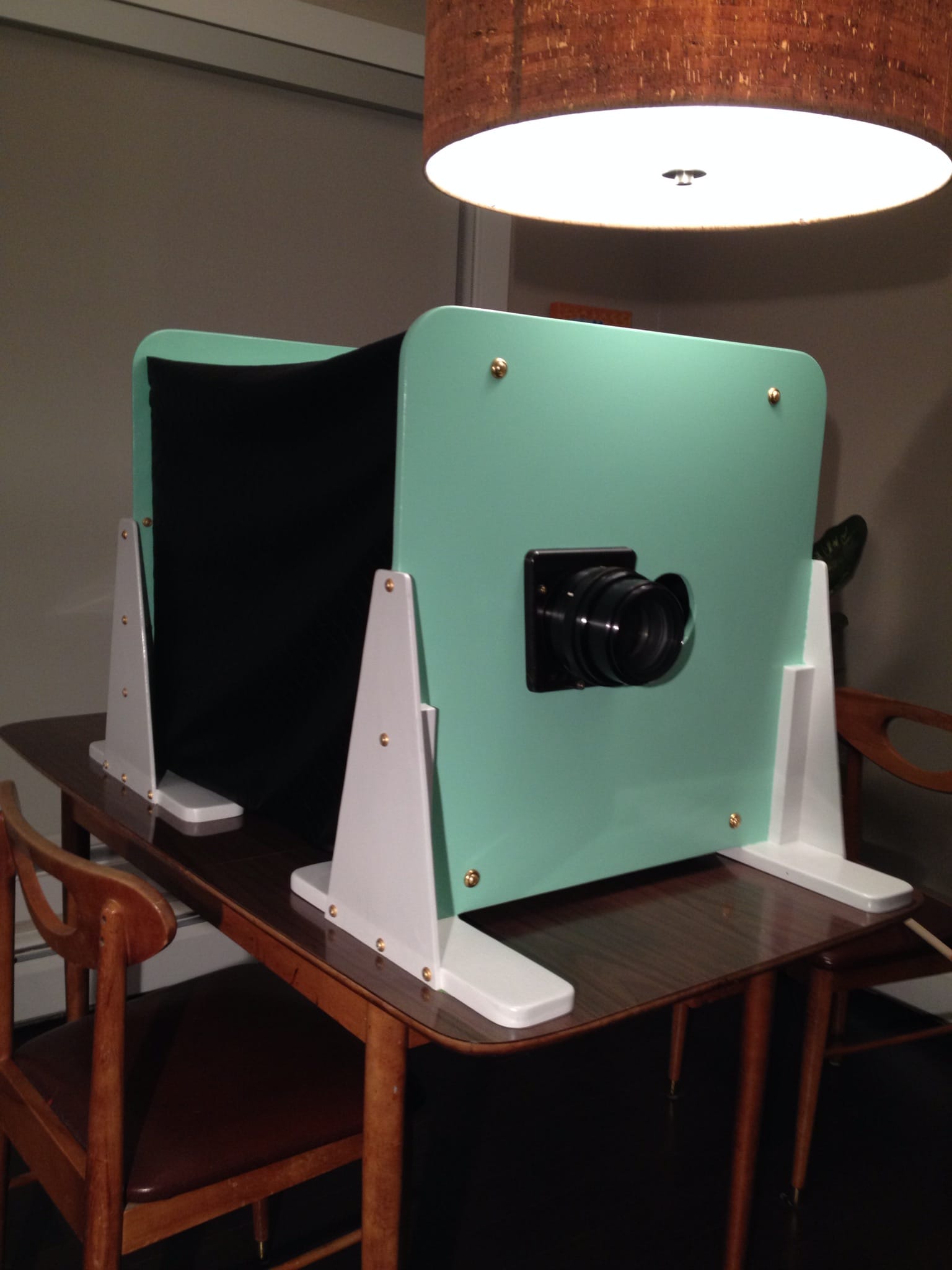
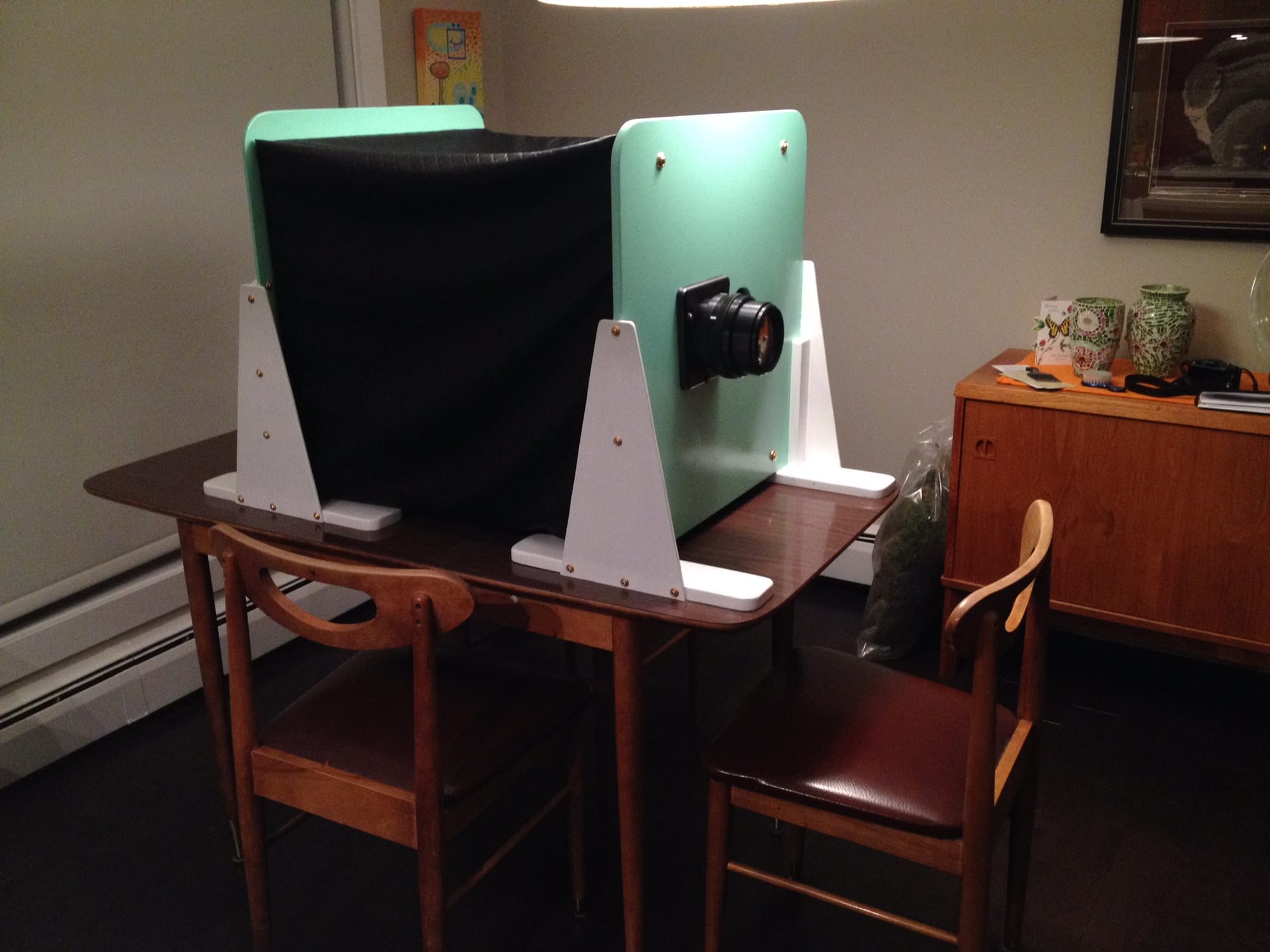
These are the only remaining images of the 'camera' itself. I recycled it a few years after the shoot, not having anywhere to keep it. What's hard to see is that on the far side of the huge processing lens is a hole, and that hole is where I would mount my digital SLR. The camera obscura projected an image on the back surface and the digital camera recorded it. Looks fancy, eh? It was, however, a beast to use.
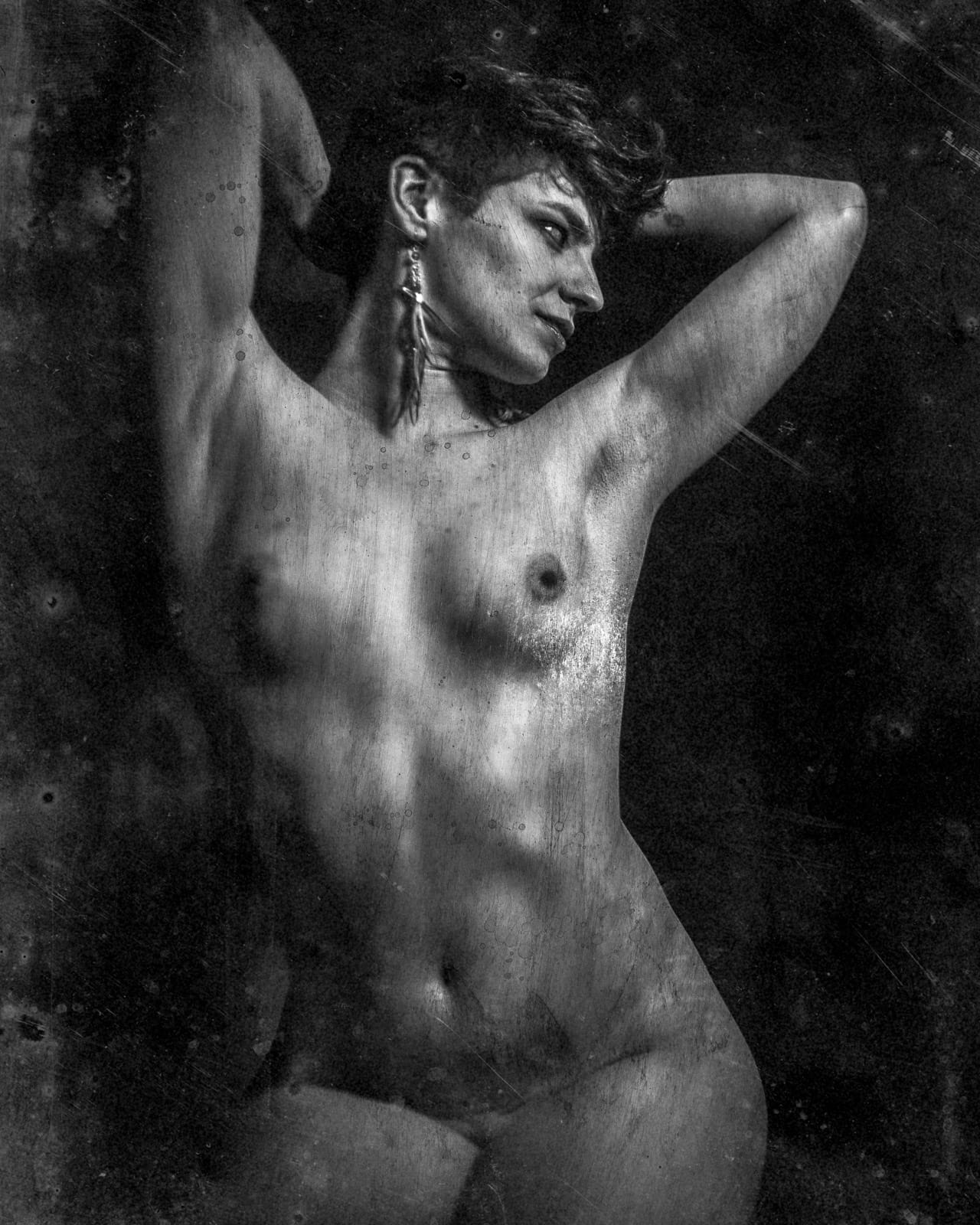
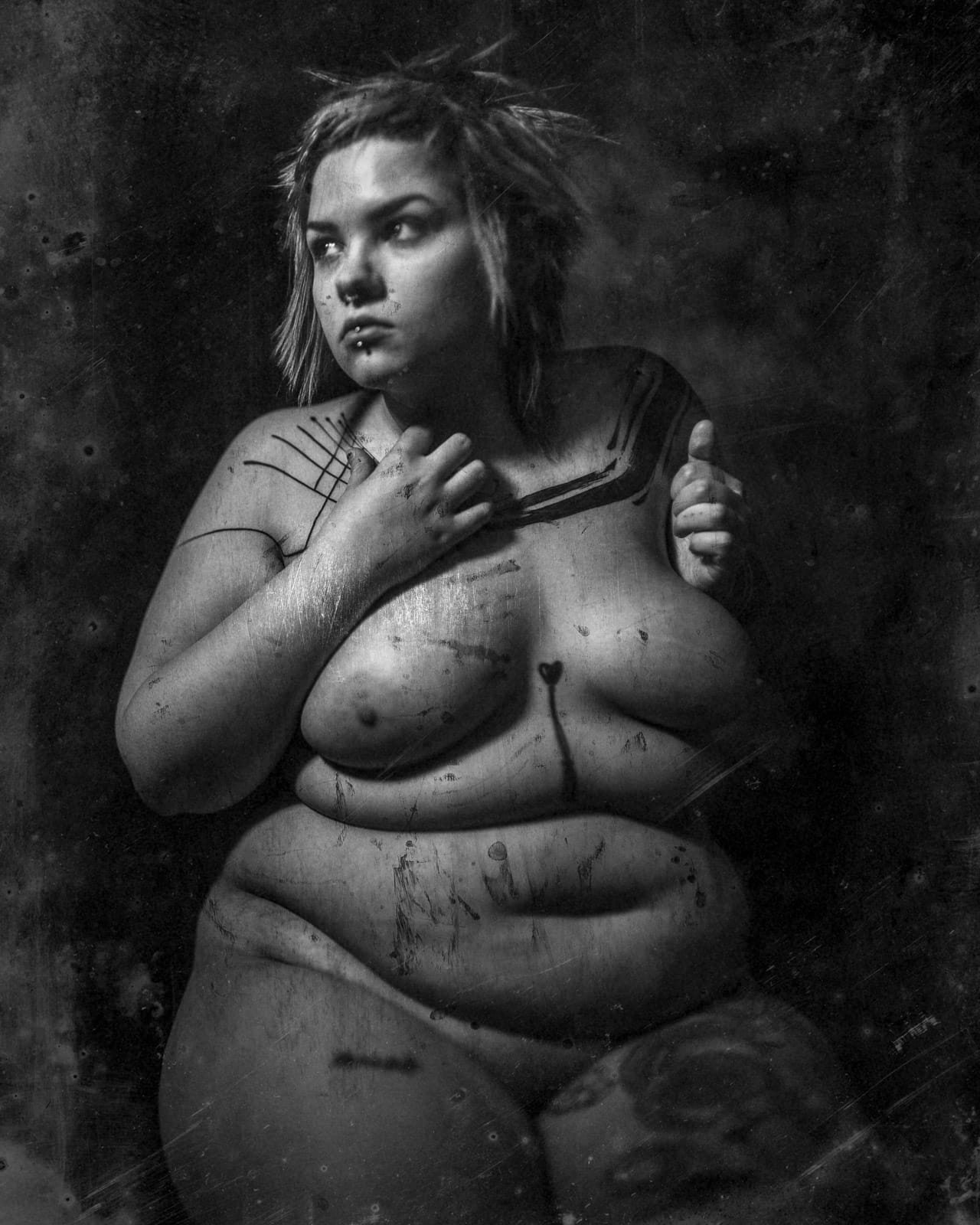
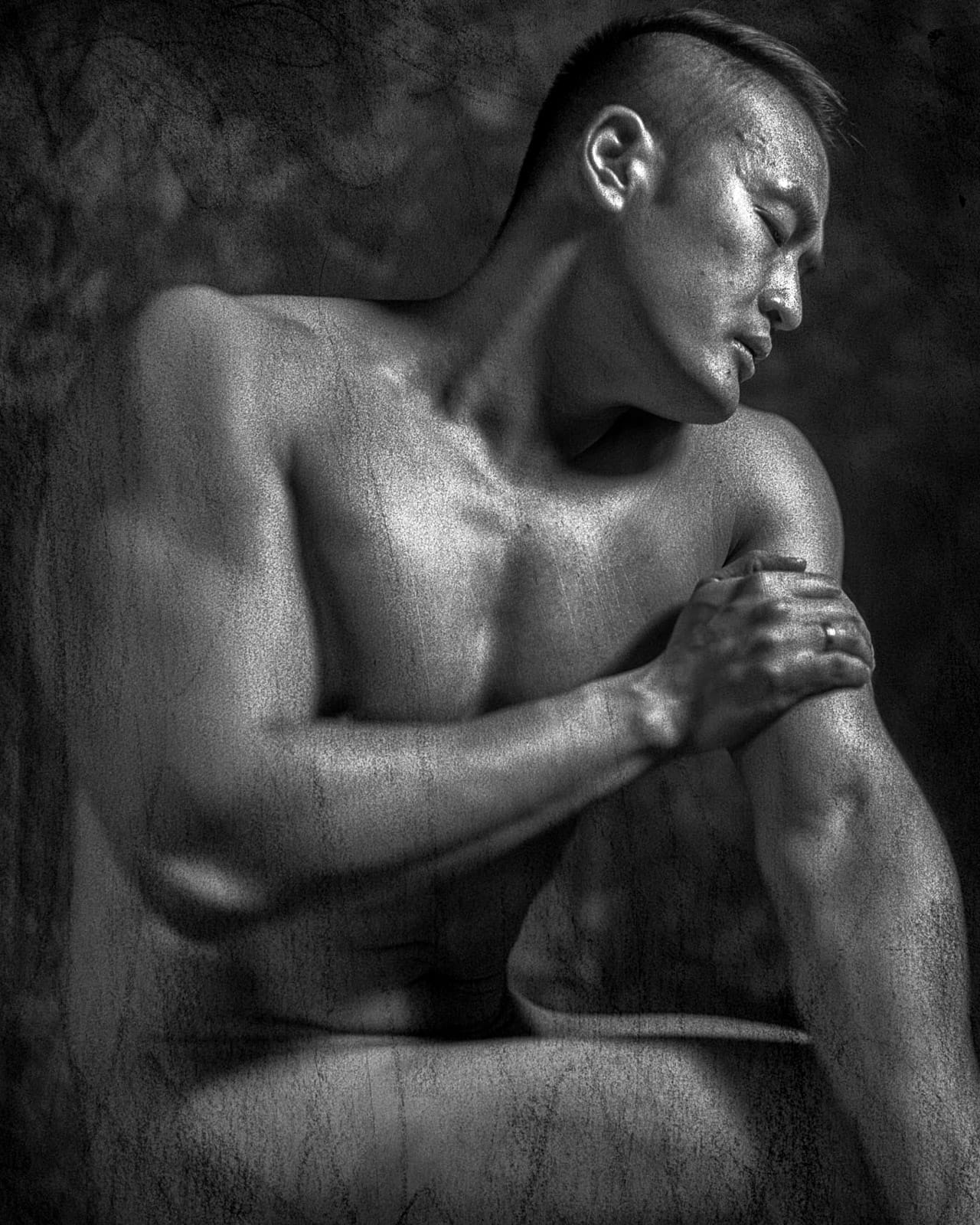
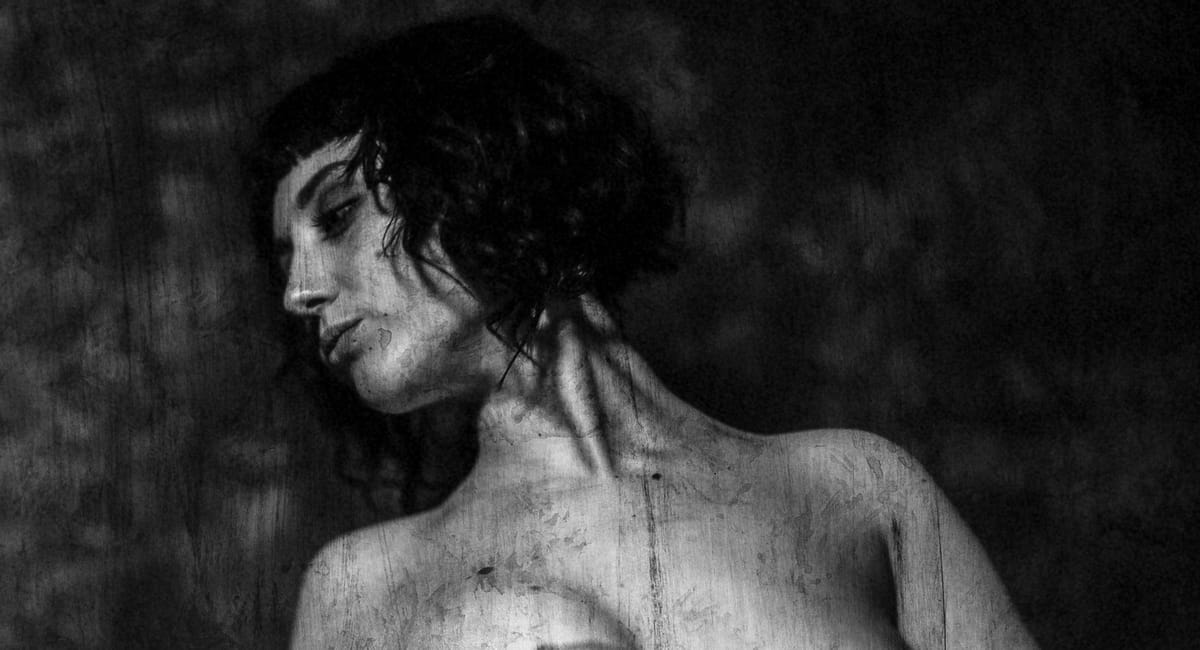
It was a fixed focal length and had a depth of field of fractions of inches. So I used the old school method of attaching a string to the front of the camera, and this is where the different participants would position themselves. On the back plate of the obscura I would draw scratches with charcoal pencils, ink marks, watercolor, etc. This was to give the images some texture, replicating that surface look you see on wet plates. I would print the images then add more scratches, etc., then scan again. Yeah, a very convoluted process. I love the results, not so much working with this camera.
It was very difficult and required a massive amount of light. I had to fire several strobes at close range to get a decent exposure, not wanting to introduce too much digital noise from the DSLR in the process. Overall I'm happy with the results from this experiment. My main takeaway was that I wished all those marks and scratches were 'real' in the sense that you could go up to the image and see them. The scratches on the original prints are there, but not the marks added on the substrate mounted on the back of the camera.
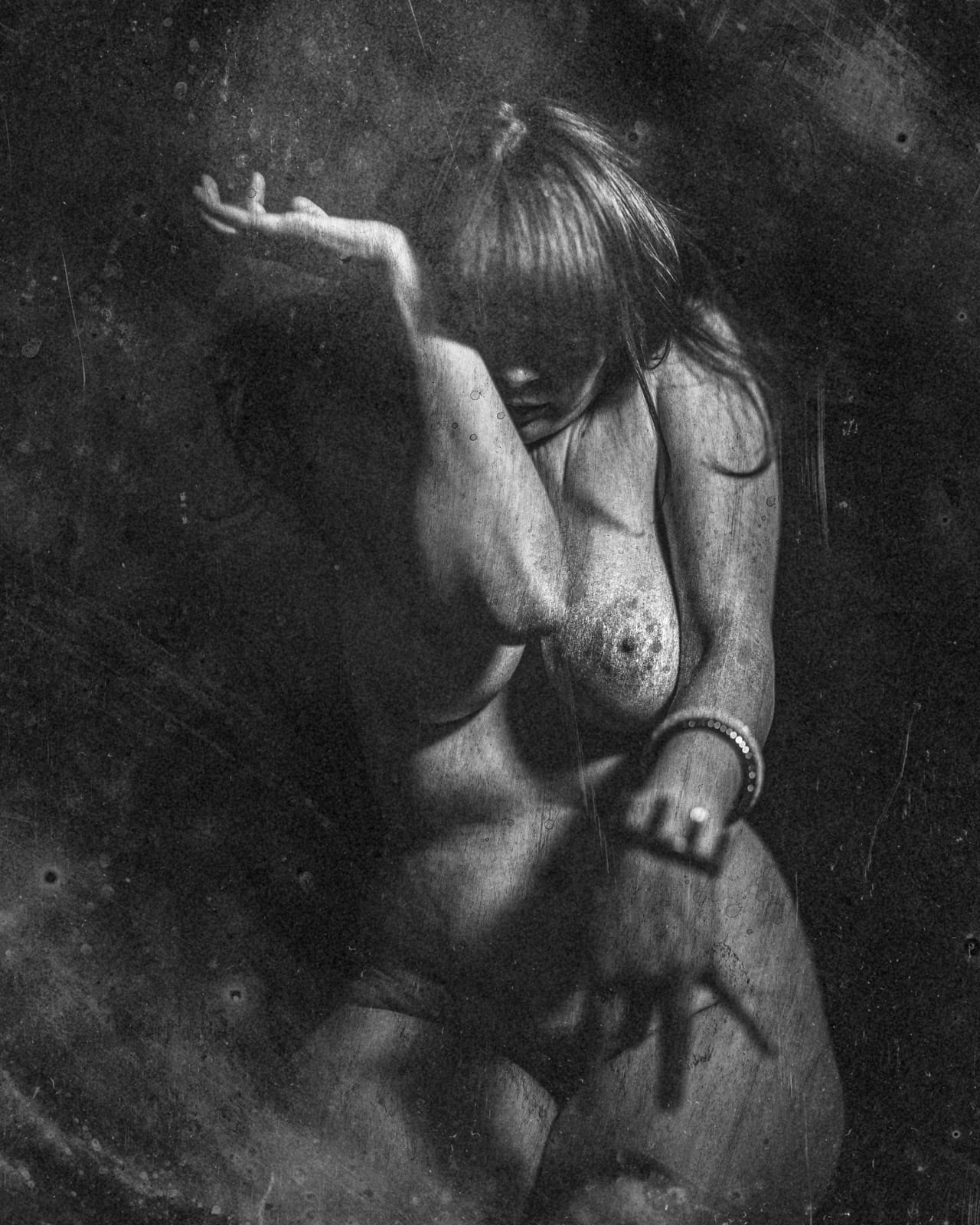
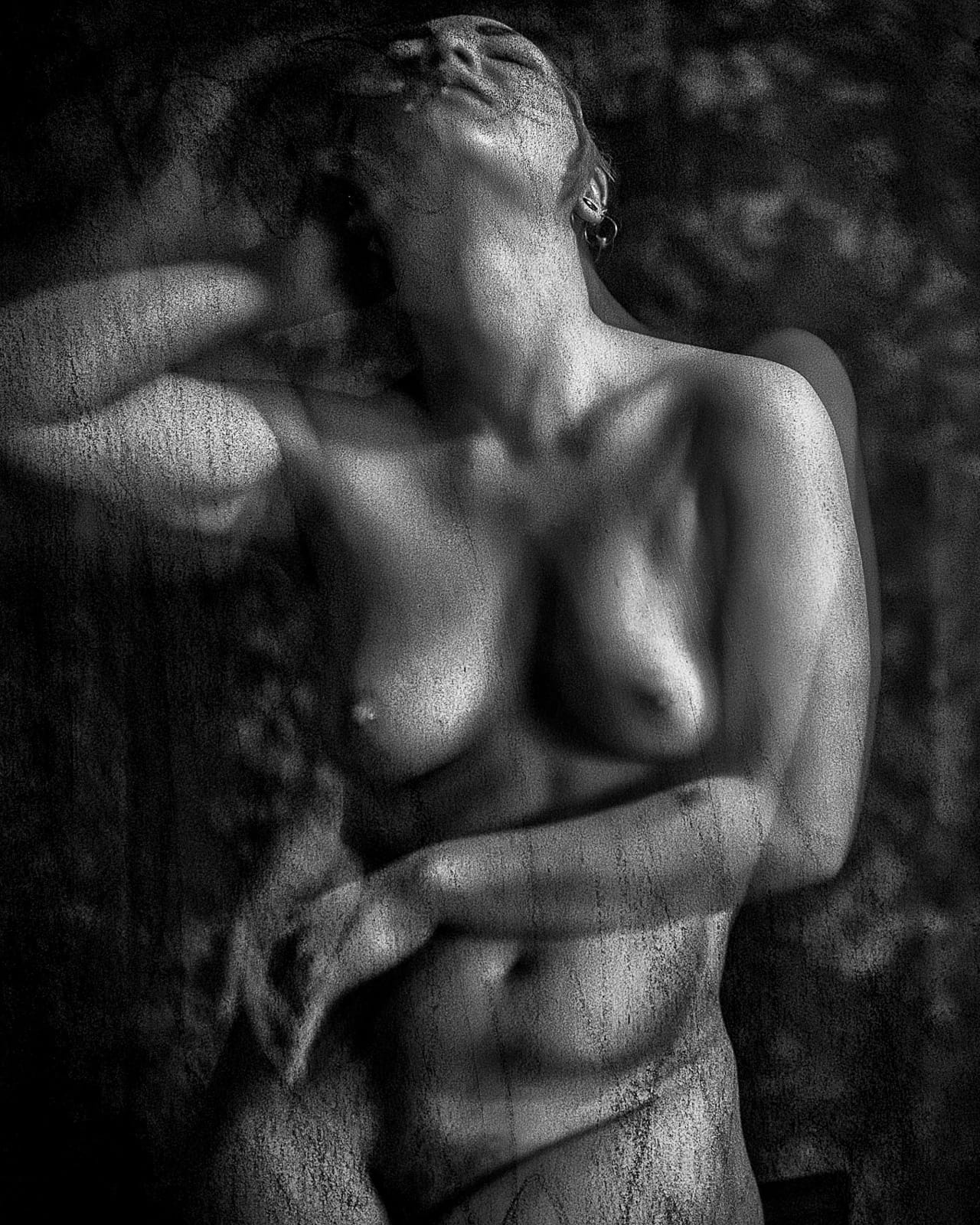
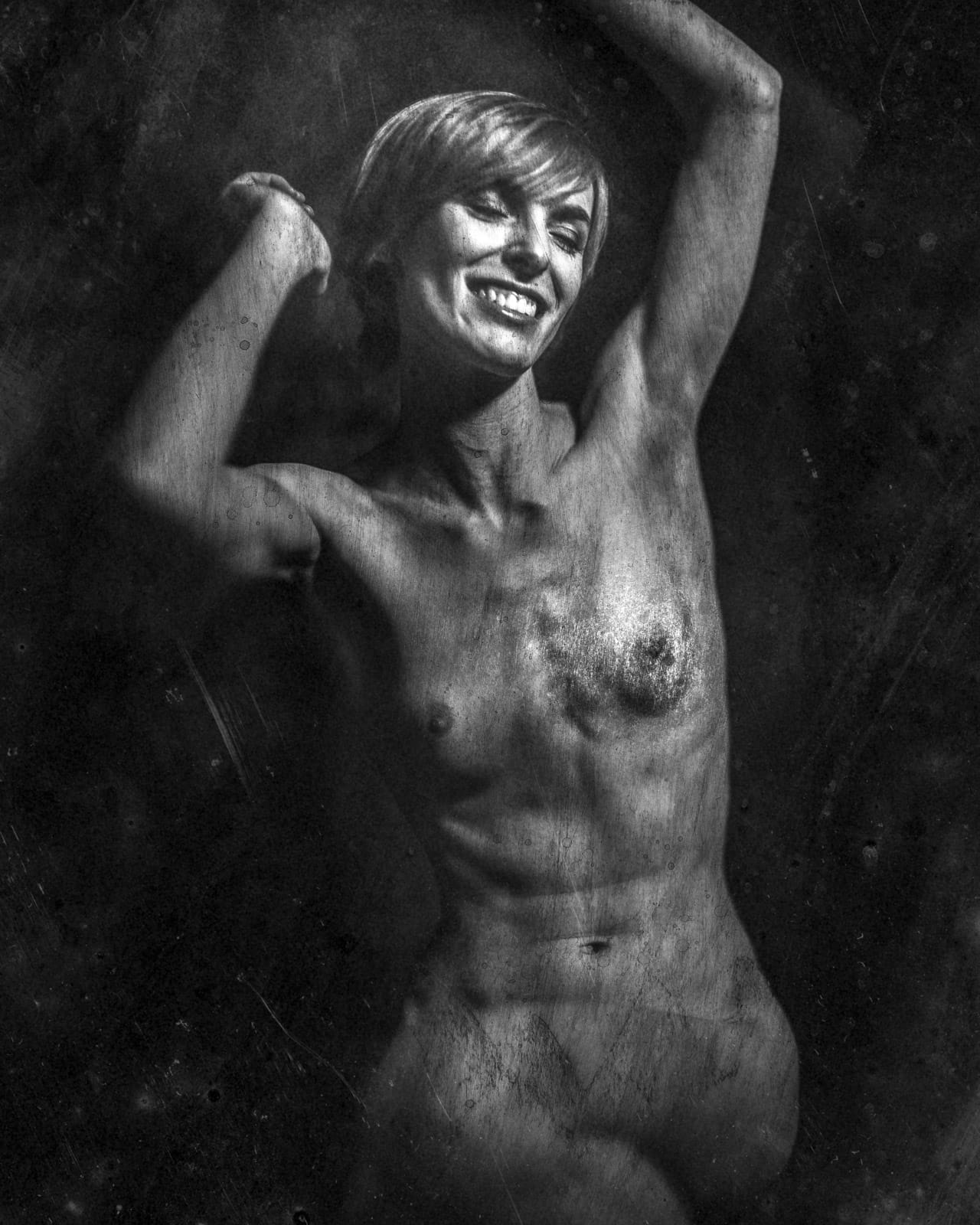
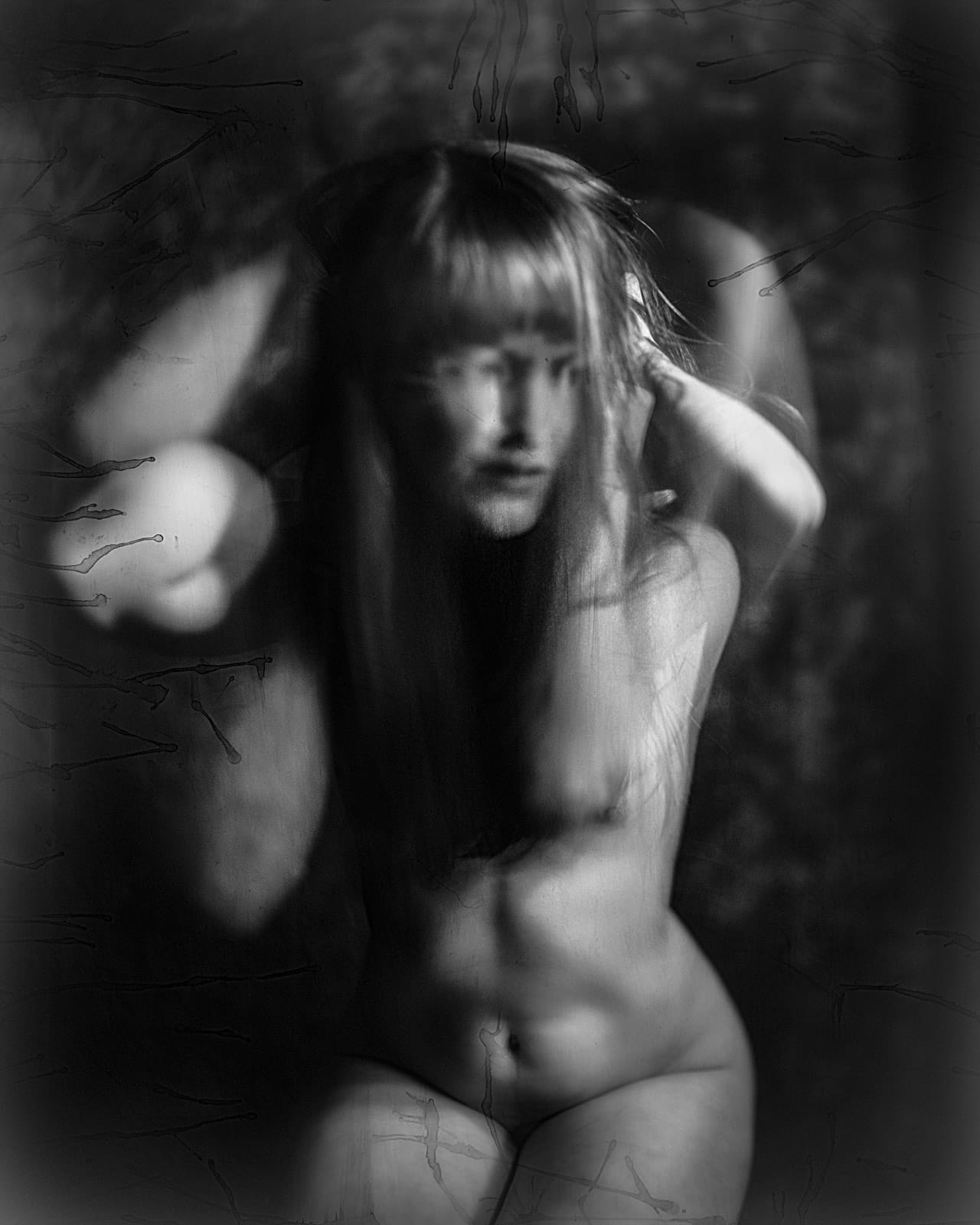
Looking back, this experiment taught me that the tangible, physical quality of analog photography, the thing I was chasing, can't be fully replicated through hybrid processes. There's something essential that gets lost in translation, no matter how elaborate the workaround. But sometimes the best way to understand what makes something special is to try to recreate using other means.
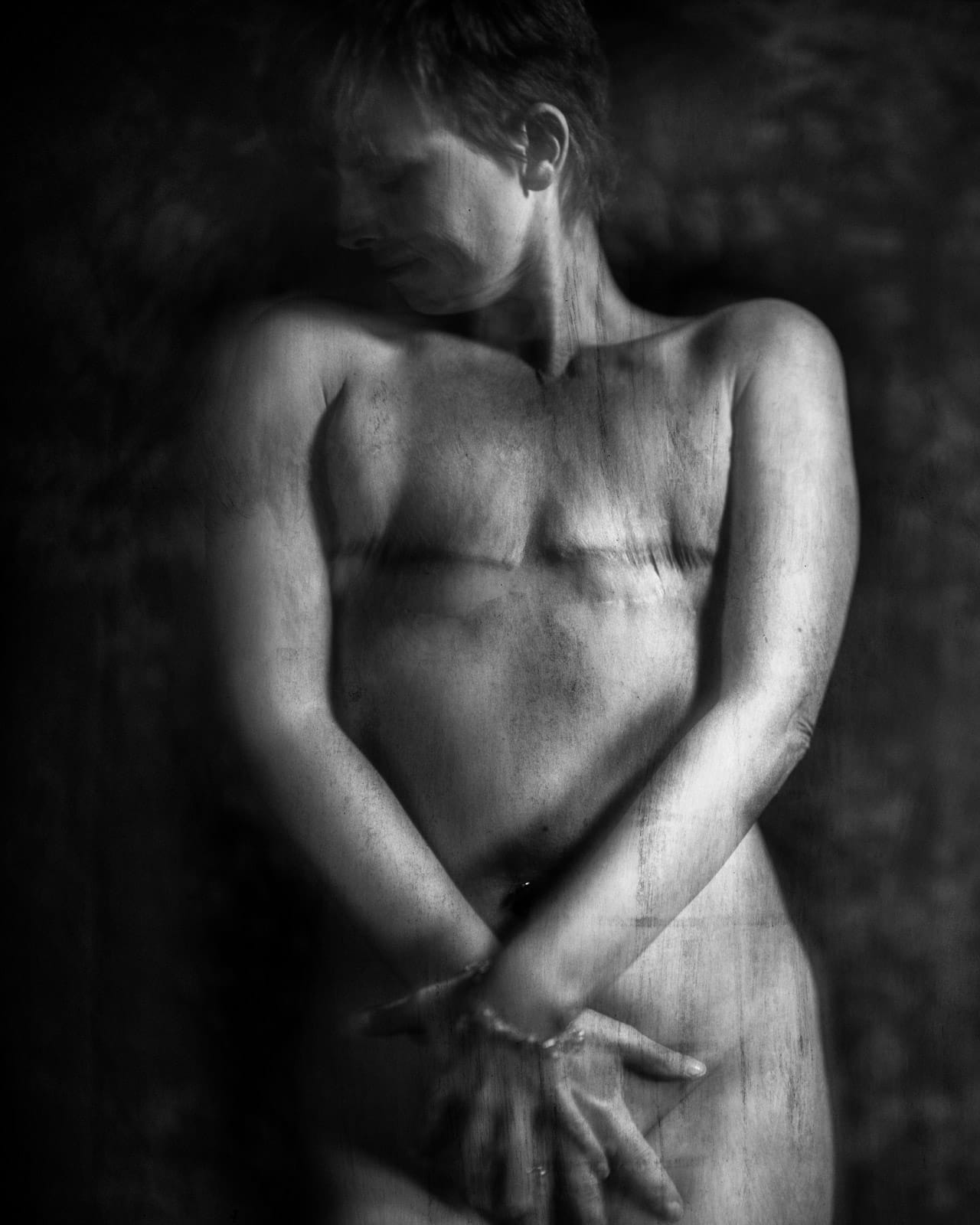
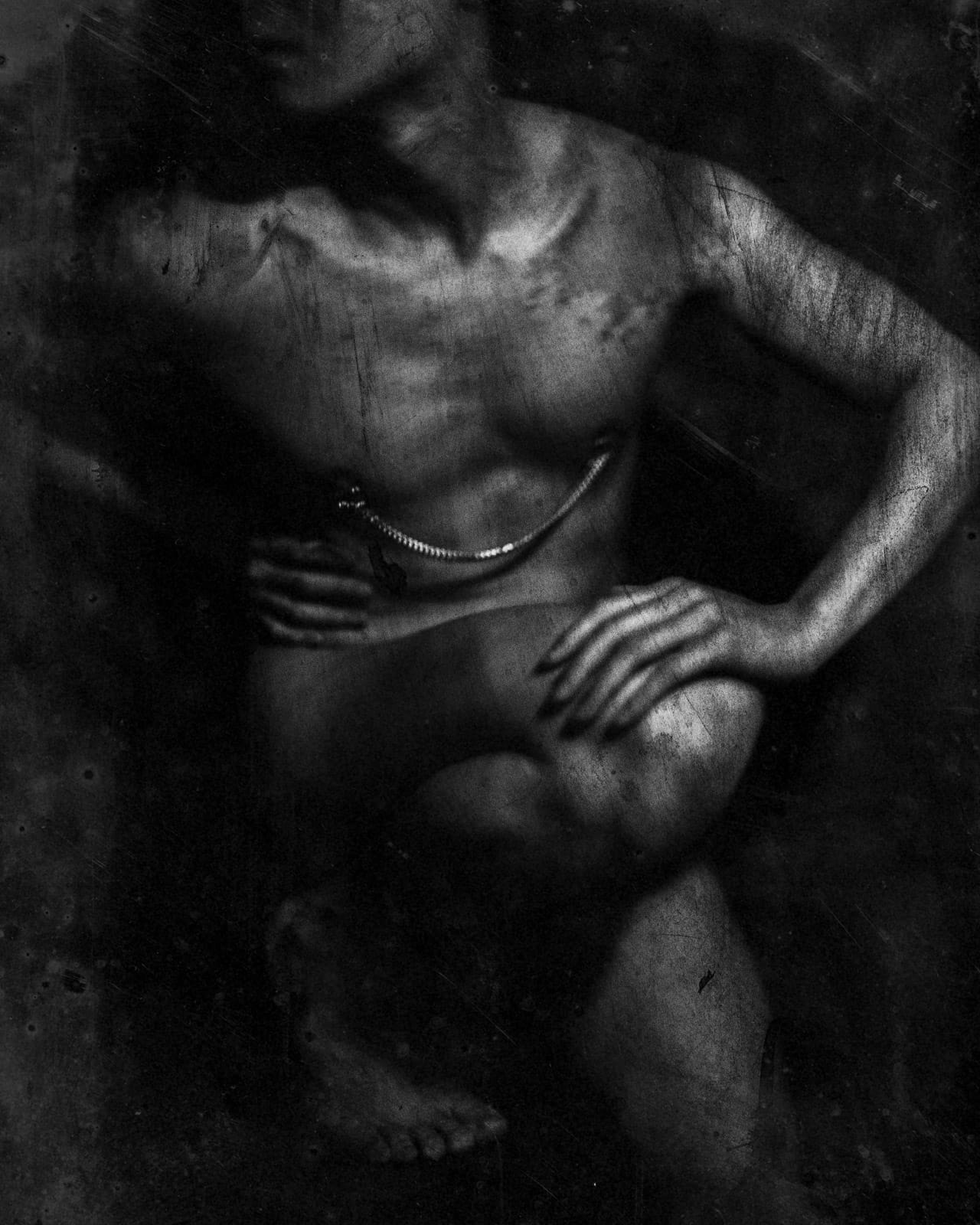
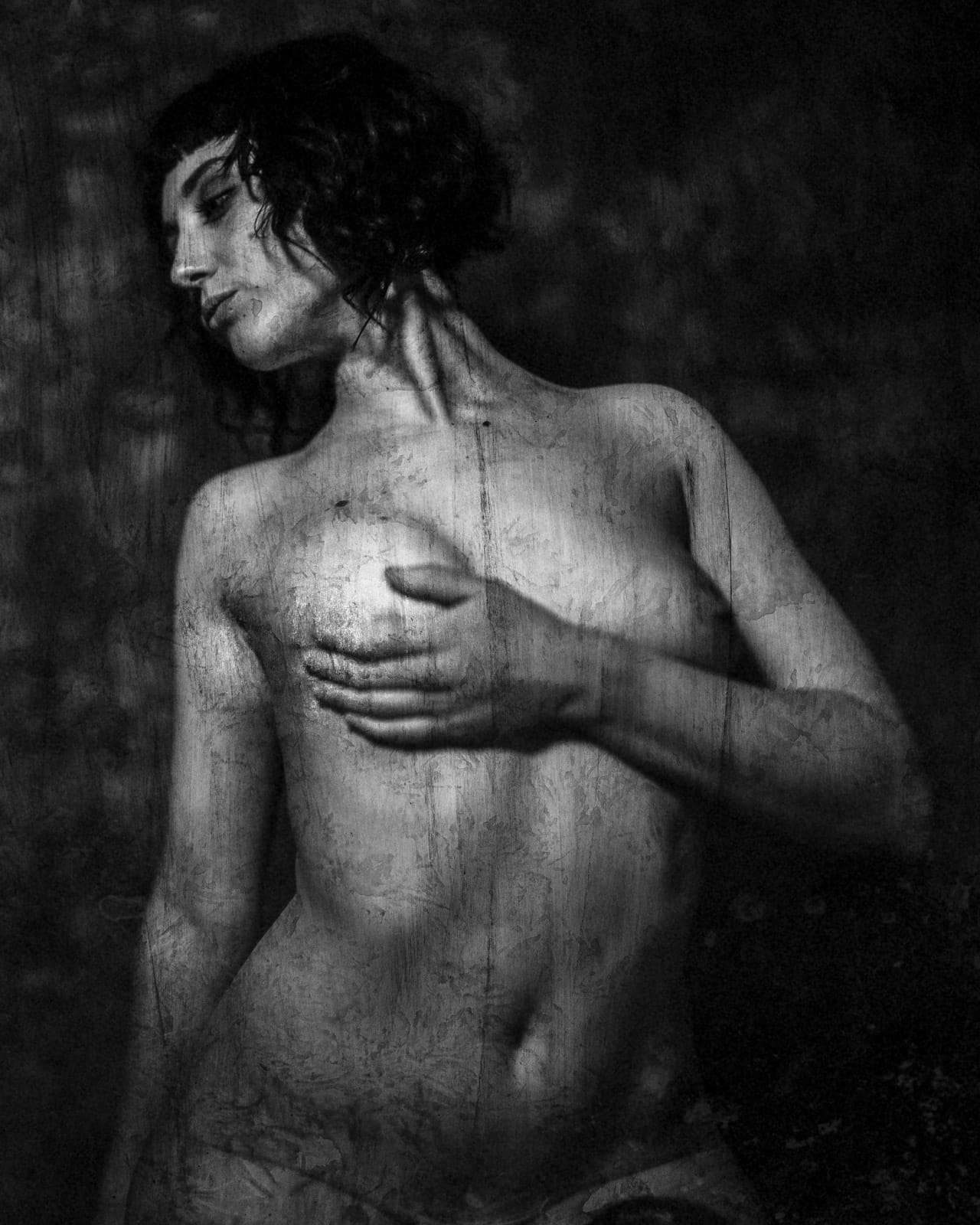
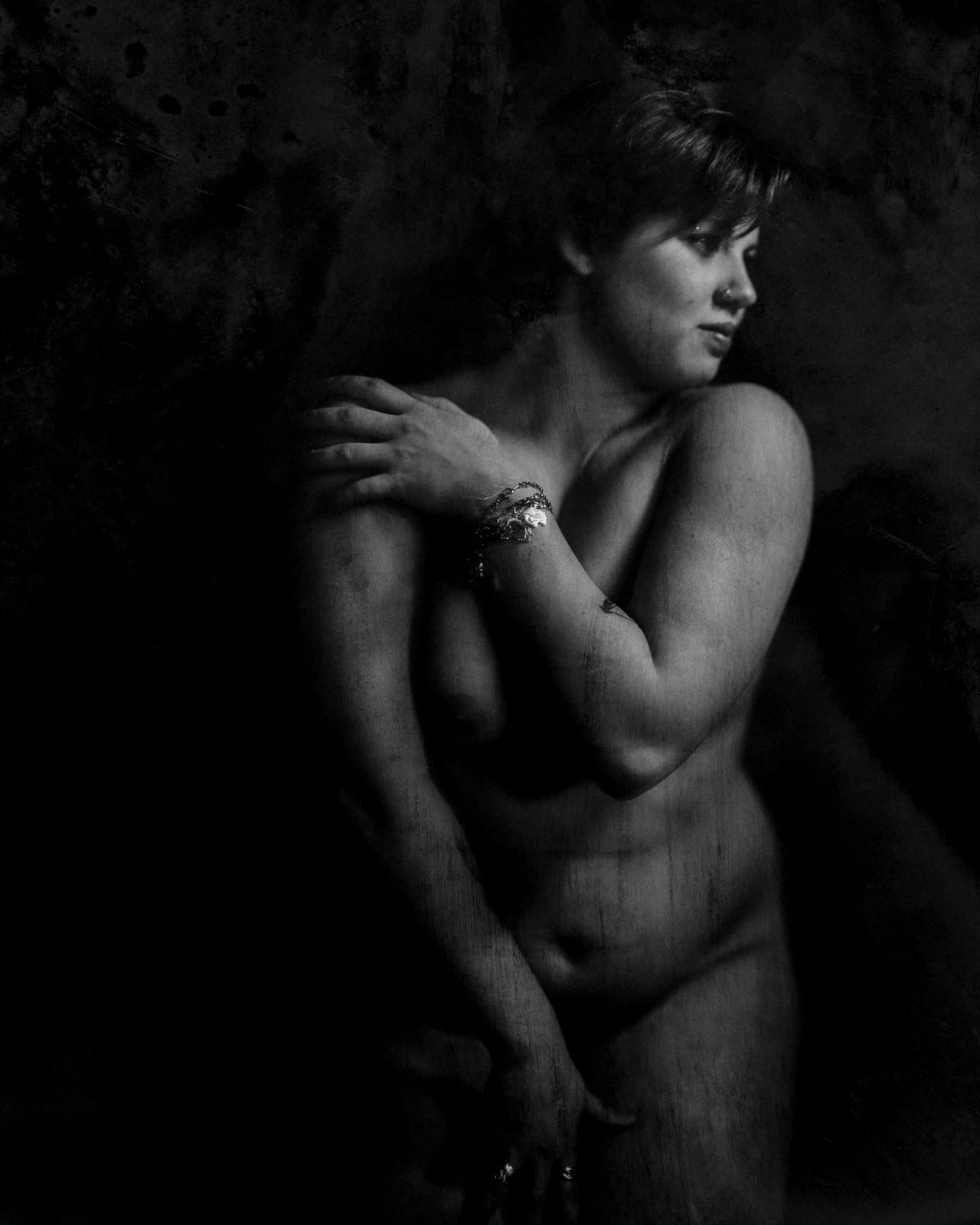
One last note: One thing I did learn from this experience is that equipment does play a role in how the work ends up looking. A massive camera that can't be moved with a focal length that can't be changed was a limitation that I had to work with. Those limitations force a person to be creative and come up with solutions to get the results that you want. A great example of this in action is the movie "The Holdovers." The use of tripods instead of steadycams, static shots, lens choices, color grading techniques, etc. I felt like I was watching a film from the 70s. I didn't pick it up initially, I'm not a movie nerd, but you can't help but feel drawn back into that time if you have actually lived through it.
One last last note: I have a sincere sense of gratitude for all those who showed up for this shoot, taking place over 2 days. These images would not have been possible without them. THANK YOU!